
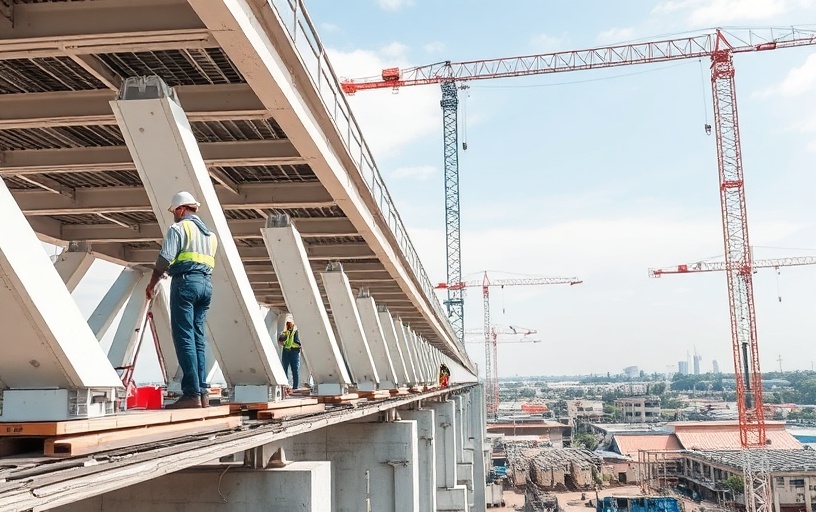
As infrastructure challenges continue to mount globally, fiber-reinforced polymer (FRP) composites are emerging as the material of choice for sustainable, long-lasting solutions. This comprehensive analysis explores the latest innovations, market trends, and regulatory developments shaping the future of FRP applications in critical infrastructure.
The Infrastructure Crisis: A Global Perspective
The world’s infrastructure is aging rapidly. In the United States alone, the American Society of Civil Engineers estimates that $2.6 trillion is needed to address infrastructure deficiencies by 2029. Traditional materials like steel and concrete, while proven, face significant limitations in terms of durability, maintenance requirements, and environmental impact.
This crisis has accelerated the adoption of advanced materials, with FRP composites leading the charge. Unlike conventional materials, FRP offers exceptional corrosion resistance, high strength-to-weight ratios, and design flexibility that make it ideal for critical infrastructure applications.
“The transition to FRP in infrastructure isn’t just about better materials—it’s about reimagining how we build for the future. We’re seeing cost savings of 40-60% over the lifecycle of projects when FRP is properly implemented.”
Market Dynamics and Growth Projections
The global FRP market for infrastructure applications is experiencing unprecedented growth. According to our latest market analysis, the sector is projected to reach $18.2 billion by 2028, representing a compound annual growth rate (CAGR) of 8.4% from 2023 to 2028.
Key Market Drivers
- Regulatory Support: Government initiatives worldwide are increasingly favoring sustainable construction materials
- Cost Efficiency: Long-term cost benefits are becoming more apparent to project stakeholders
- Performance Advantages: Superior durability in harsh environments compared to traditional materials
- Environmental Concerns: Growing emphasis on reducing carbon footprint in construction
Technological Innovations Reshaping the Industry
The FRP industry is witnessing a wave of technological innovations that are expanding its applications and improving performance characteristics. These advancements are particularly significant in critical infrastructure where reliability and longevity are paramount.
Advanced Fiber Technologies
Recent developments in fiber technology have significantly enhanced the performance capabilities of FRP composites. Carbon nanotubes and graphene-enhanced fibers are providing unprecedented strength improvements, while bio-based fibers are addressing sustainability concerns without compromising performance.
Our research and development team has been at the forefront of these innovations, developing proprietary fiber treatments that improve adhesion between fibers and matrix materials by up to 35%. This advancement directly translates to improved structural integrity and longer service life in demanding applications.
Smart Composite Systems
The integration of sensors and monitoring systems into FRP structures represents a paradigm shift in infrastructure management. These “smart” composites can provide real-time data on structural health, environmental conditions, and performance metrics.
“Smart FRP systems are revolutionizing how we monitor and maintain infrastructure. Instead of reactive maintenance, we can now predict and prevent failures before they occur.”
Applications in Critical Infrastructure
FRP composites are finding applications across a wide range of critical infrastructure sectors, each benefiting from the unique properties of these advanced materials.
Transportation Infrastructure
The transportation sector has been one of the earliest adopters of FRP technology. Bridge decks, reinforcement bars, and structural elements made from FRP composites are demonstrating exceptional performance in challenging environments.
- Bridge Construction: FRP bridge decks reduce weight by 75% compared to concrete alternatives
- Tunnel Linings: Corrosion-resistant properties make FRP ideal for underground applications
- Railway Systems: Lightweight components reduce energy consumption and maintenance costs
Water and Wastewater Systems
The water industry has embraced FRP technology for its exceptional chemical resistance and durability. From treatment plant equipment to distribution systems, FRP composites are proving their worth in one of the most demanding environments.
Recent case studies from our installations show that FRP components in wastewater treatment facilities have maintained their structural integrity and performance characteristics for over 25 years, far exceeding the performance of traditional materials in similar applications.
Energy Infrastructure
The energy sector’s adoption of FRP technology spans from renewable energy installations to traditional power generation facilities. Wind turbine blades, cooling tower components, and transmission line structures are all benefiting from FRP’s unique properties.
Regulatory Landscape and Standards Development
The regulatory environment for FRP in infrastructure is evolving rapidly, with new standards and codes being developed to address the unique characteristics of composite materials. This regulatory support is crucial for widespread adoption and market growth.
International Standards Progress
Organizations such as ASTM International, ISO, and regional standards bodies are actively developing comprehensive standards for FRP applications in infrastructure. These standards address design methodologies, testing procedures, and quality assurance requirements.
The recent publication of ASTM D8336, which provides guidelines for FRP reinforcement in concrete structures, represents a significant milestone in the standardization process. This standard provides engineers with the confidence and framework needed to specify FRP materials in critical applications.
Challenges and Solutions
Despite the numerous advantages of FRP composites, several challenges remain that the industry is actively addressing through research, development, and improved manufacturing processes.
Cost Considerations
While the lifecycle cost benefits of FRP are well-documented, the initial material costs can be higher than traditional alternatives. However, this gap is narrowing as manufacturing processes improve and economies of scale are realized.
Design Methodologies
The unique properties of FRP materials require specialized design approaches that differ from traditional materials. Educational initiatives and training programs are helping engineers develop the necessary expertise to effectively utilize FRP in their designs.
Future Outlook and Predictions
Looking ahead to the remainder of 2025 and beyond, several trends are expected to shape the FRP infrastructure market:
- Increased Automation: Manufacturing processes will become more automated, reducing costs and improving quality consistency
- Sustainability Focus: Bio-based and recyclable FRP formulations will gain market share
- Integration with Digital Technologies: IoT and AI integration will enhance monitoring and maintenance capabilities
- Expanded Applications: New infrastructure sectors will adopt FRP technology as awareness and confidence grow
“The next five years will be transformative for the FRP industry. We’re moving from niche applications to mainstream adoption across all infrastructure sectors.”
Conclusion
The future of FRP in critical infrastructure is bright, with technological innovations, regulatory support, and market dynamics all aligning to drive continued growth and adoption. As infrastructure challenges continue to mount globally, FRP composites offer a proven solution that addresses durability, sustainability, and cost-effectiveness concerns.
Organizations that embrace FRP technology today will be well-positioned to benefit from the advantages these materials offer. The key to success lies in understanding the unique properties of FRP composites and leveraging them effectively in design and construction processes.
As we move forward, continued collaboration between material suppliers, engineers, contractors, and regulatory bodies will be essential to realize the full potential of FRP technology in creating resilient, sustainable infrastructure for future generations.